Buny Huny: A Handwritten Font for Personalized Design
There I was, staring at a blank brand board, trying to find the right visual language for a new boutique coffee shop. The client wanted something warm, approachable, and slightly whimsical. After testing a few options, I settled on Buny Huny. It wasn’t just about the look—it was about the feeling it brought to the table.
A Font with Personality
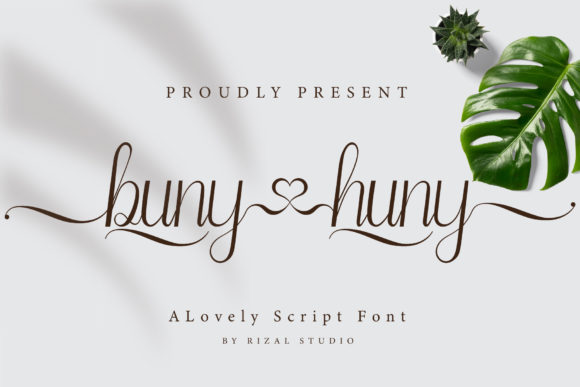
Buny Huny is a handwritten script that feels like it was drawn with care. It has a soft, flowing structure with subtle variations in stroke weight that give it a natural, human touch. Unlike many digital scripts that can feel stiff or repetitive, this one has a sense of movement and character that makes it stand out. It’s not overly ornate, but it carries an elegance that works well in both modern and traditional contexts.
The font has a friendly, almost nostalgic vibe. It’s perfect for brands that want to convey authenticity without being too casual. Whether it’s used in a logo, a packaging label, or a social media graphic, Buny Huny adds a layer of personality that can elevate a design from good to memorable.
Testing It in Real Projects
I first tried Buny Huny on a logo concept for the coffee shop. The name was simple—just the shop’s name in all caps. The font worked beautifully as a headline, giving the brand a unique identity that felt personal and crafted. When paired with a clean sans serif for the tagline, it created a nice contrast that balanced the warmth of the script with the clarity of the sans.
On a packaging mockup, Buny Huny looked great on product labels and seasonal banners. Its fluidity made it ideal for short phrases, like “Handcrafted Coffee” or “Daily Brew.” It didn’t work as well in longer text blocks, but that’s expected for a display font. In web design, it shone in hero sections and headings, adding a custom feel without overwhelming the page.
For social media graphics, the font added a playful yet professional edge. On Instagram posts and Facebook ads, it helped create a cohesive visual style that felt intentional and thoughtful. It also worked well on business cards, where its organic shape gave the card a more handcrafted feel compared to standard typefaces.
When to Use It and When Not To
Buny Huny excels as a display or accent font. It’s best suited for headlines, logos, and short phrases where its visual appeal can shine. It’s not the best choice for body text or small sizes, where its delicate strokes might become difficult to read. If you’re designing for a corporate or formal brand, this font might not be the right fit. But for creative, artisanal, or lifestyle-focused projects, it’s a strong option.
It also pairs well with other fonts. A classic serif like Georgia or a modern sans like Montserrat can complement its flow without clashing. For a more dramatic look, pairing it with another script font can add depth, but be careful not to overdo it. The key is to let Buny Huny be the star of the show when used in display roles.
Practical Tips for Designers
If you’re considering using Buny Huny in a project, test it across different mediums. See how it looks on print versus screen, and check how it scales in various sizes. Make sure it aligns with the brand’s voice and goals. If the font feels too informal for the project, it might not be the right choice.
Also, consider the licensing. Before using Buny Huny in client work or commercial projects, make sure you have the proper rights. Many premium fonts come with specific usage terms, and it’s important to understand those before finalizing any design.
For designers who are always looking for fresh, expressive typefaces, Buny Huny offers a compelling option. It’s not a one-size-fits-all solution, but when used thoughtfully, it can bring a unique energy to a brand’s visual identity.
Final Thoughts
Whether you’re working on a café identity, a skincare brand, or a handmade shop, Buny Huny has the potential to add a personal touch that sets your design apart. It’s a font that speaks to the creative spirit, offering a balance between elegance and informality. With the right application, it can help create a brand that feels authentic, engaging, and visually distinctive.